Source cnc customized graphite golf driver for Racing, Gift, and Entertainment
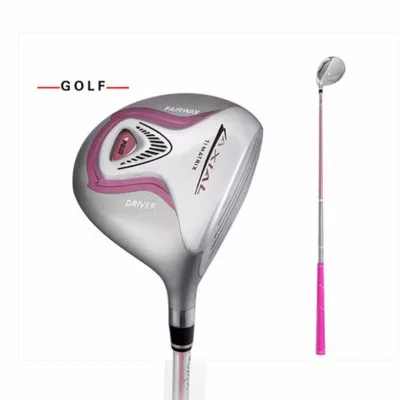
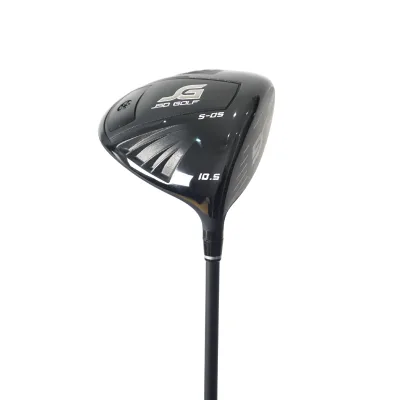
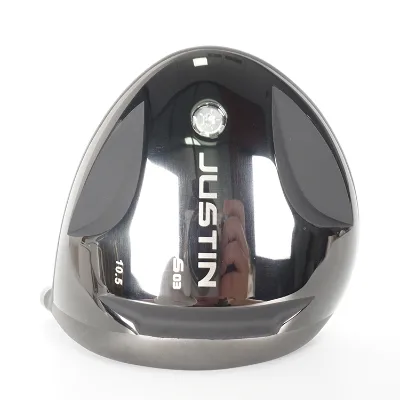
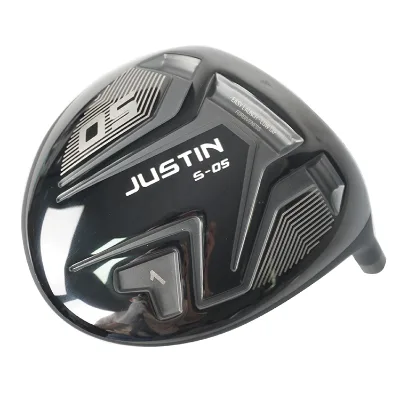
Find and compare 30 listings for cnc customized graphite golf driver options featuring graphite shafts and forged aluminum heads. Evaluate specifications like 45-inch lengths and 9 or 10.5-degree lofts to identify suitable OEM solutions for junior or adult players.
Key considerations
Products List


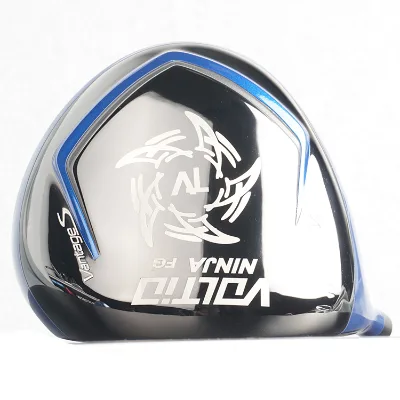
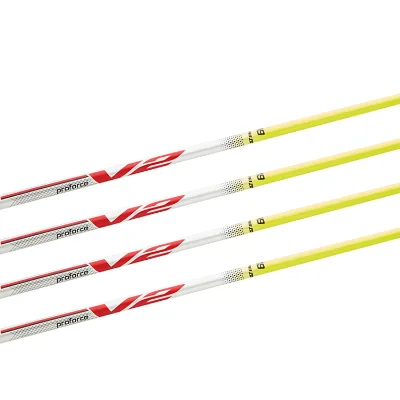
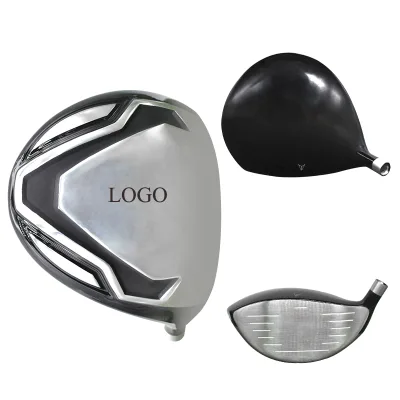
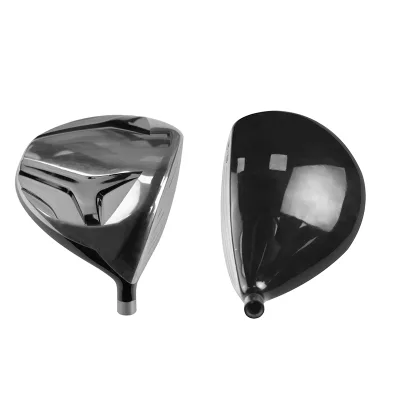
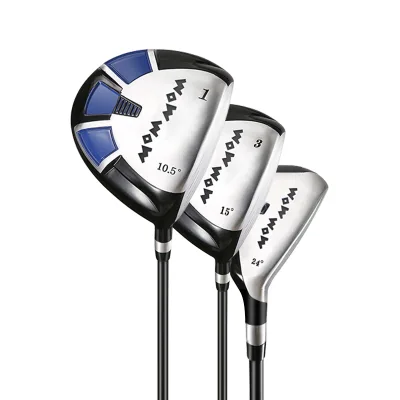
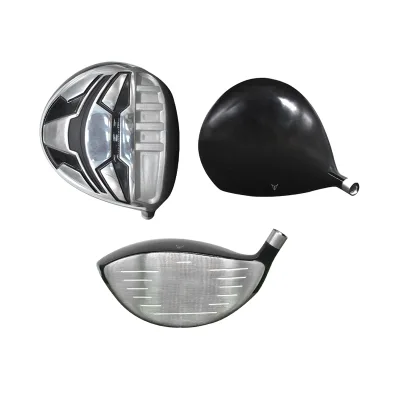


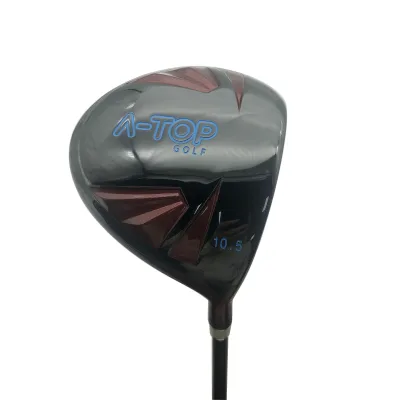


Comprehensive Sourcing Guide
CNC Customized Graphite Golf Driver Sourcing Guide
Sourcing CNC customized graphite golf drivers requires a disciplined approach to balancing performance engineering with manufacturing precision. The modern golf driver market is defined by the interplay between lightweight composite materials and high-tolerance machining processes. Buyers must understand that "customization" in this context often refers to OEM branding, specific shaft flex profiles, and head weight adjustments rather than fundamental changes to the club’s aerodynamic geometry. The core value proposition lies in the ability to tailor specifications to specific player demographics, such as junior golfers or high-handicap adults, while maintaining the structural integrity required for high-speed swings.
This guide focuses on the procurement of graphite-shafted drivers, emphasizing the verification of material composition and manufacturing origins. The observed market data indicates a strong presence of suppliers in Guangdong and Fujian provinces in China, which are established hubs for golf equipment manufacturing. Procurement teams must navigate the distinction between standard off-the-shelf models and truly customized units, ensuring that any requested modifications do not compromise the club’s compliance with governing body standards or its durability under stress.
Product Scope and Observed Listing Signals
The current market landscape for graphite golf drivers reveals a diverse range of product configurations, primarily centered around wood-type clubs designed for maximum distance and forgiveness. Observed listings indicate a significant volume of products categorized as "golf clubs woods" or "Golf Driver," with a notable emphasis on junior and men’s segments. The material composition is consistently reported as graphite for the shaft, often paired with forged aluminum or titanium heads, and rubber grips. This combination suggests a focus on cost-effective performance, where the lightweight nature of graphite allows for increased swing speeds, while the metal heads provide the necessary mass for stability.
Listing signals also highlight the prevalence of OEM branding strategies, where suppliers offer "Custom Logo" and "Customized" services to meet private label demands. The observed price range spans from low-cost entry-level options to premium models, reflecting variations in material quality and manufacturing complexity. Buyers should note that attributes such as "Right Handed" dexterity and specific flex ratings like "R" (Regular) are common standard offerings. However, the presence of "Junior" gender classifications alongside "Men’s" options indicates that suppliers often maintain a broad inventory to serve different market segments, requiring careful filtering to ensure the selected product matches the target demographic’s physical requirements.
Technical Specifications to Verify
Verifying the technical specifications of a CNC customized graphite driver is critical to ensuring performance consistency and player satisfaction. The shaft material is a primary determinant of feel and performance; while graphite is the standard, buyers must confirm the specific layup and carbon fiber content to assess stiffness and torque characteristics. Observed data points to shaft materials described as "Graphite & Steel" or pure "Carbon Fiber," which may indicate hybrid constructions or specific reinforcement zones. Procurement teams must request detailed shaft profiles, including flex rating, torque, and kick point, to ensure alignment with the intended player’s swing dynamics.
Head construction and weight distribution are equally important verification points. Listings mention materials such as "Forged Aluminum" and "Titanium," each offering distinct advantages in terms of weight savings and durability. Buyers should verify the head material and the manufacturing process, as CNC machining allows for precise weight placement and center of gravity adjustments. Additionally, the club length, often cited as 45 inches for standard drivers, must be confirmed, especially for customized orders. The inclusion of specific model numbers like "JQ-GC-W" or "GR-01" suggests that suppliers may have proprietary designs, requiring buyers to validate that these models meet the desired performance metrics and aesthetic requirements.
Compliance and Safety Documentation
While specific certification statuses such as BSCI or ISO 9001 are mentioned in background data, buyers must independently verify the current compliance status of any potential supplier. Golf equipment is subject to strict regulations regarding club dimensions, weight, and performance limits set by governing bodies like the USGA and R&A. Although these bodies primarily regulate the clubhead and shaft dimensions rather than the manufacturing process, suppliers must ensure that their customized drivers do not exceed the legal limit for clubhead volume or the coefficient of restitution. Buyers should request documentation confirming that the final product meets these dimensional and performance standards.
Safety documentation extends beyond regulatory compliance to include material safety and workplace standards. Given the use of carbon fiber and metal alloys, suppliers should provide Material Safety Data Sheets (MSDS) for any adhesives or coatings used in the assembly process. Additionally, buyers should inquire about the supplier’s quality management systems, even if specific certifications are not explicitly listed. Understanding the supplier’s internal quality control protocols is essential for mitigating risks associated with structural failures or inconsistent performance. Buyers must ensure that all customized elements, such as logo printing or grip modifications, do not introduce hazardous materials or compromise the structural integrity of the club.
Cost Drivers and Commercial Terms
The cost of a customized graphite golf driver is influenced by several key factors, including material selection, customization complexity, and order volume. The use of premium materials such as high-modulus carbon fiber or titanium heads will naturally increase the unit cost compared to standard aluminum or basic graphite constructions. Additionally, the degree of customization, such as specific shaft flex adjustments, custom logo placement, or unique color schemes, can add to the manufacturing time and cost. Buyers should analyze the price range observed in the market, which varies significantly, to understand the value proposition of different suppliers and avoid overpaying for standard features marketed as premium.
Commercial terms, including Minimum Order Quantity (MOQ) and packaging details, play a crucial role in the total cost of ownership. Observed MOQs range from low quantities suitable for sampling to higher volumes for bulk production, allowing buyers to scale their orders based on demand. Packaging is typically described as standard shipping cartons, with specific dimensions and gross weights provided to facilitate logistics planning. Buyers must consider the single package size and weight, as these factors impact shipping costs and storage requirements. Negotiating favorable terms for packaging and shipping, particularly when sourcing from distant locations like Guangdong or Fujian, can significantly reduce the overall procurement cost.
Supplier Qualification and Quality Control
Qualifying a supplier for customized graphite golf drivers requires a thorough assessment of their manufacturing capabilities and quality control processes. Buyers should prioritize suppliers with a proven track record in producing high-quality golf equipment, as evidenced by their product specifications and customer feedback. The presence of "Superior" quality ratings in listings suggests that some suppliers maintain high standards, but buyers must verify these claims through direct communication and sample testing. It is essential to assess the supplier’s ability to handle customization requests, including their capacity for CNC machining and precise assembly processes.
Quality control measures should be clearly defined and agreed upon before production begins. Buyers should request information on the supplier’s inspection protocols, including pre-production, in-process, and final inspections. Specific attention should be paid to the alignment of the shaft with the head, the integrity of the grip installation, and the consistency of the club’s weight and balance. Additionally, buyers should inquire about the supplier’s policy for handling defects or non-conforming products. Establishing a clear quality assurance framework helps mitigate the risk of receiving substandard products and ensures that the customized drivers meet the expected performance and aesthetic standards.
Long-Term Procurement Checks
Establishing a long-term procurement strategy for customized graphite golf drivers involves continuous monitoring of supplier performance and market trends. Buyers should regularly review supplier delivery times, product consistency, and responsiveness to customization requests. The golf equipment market is dynamic, with frequent updates to club designs and materials, so maintaining open communication with suppliers is essential to stay informed about new technologies and improvements. Buyers should also consider the supplier’s ability to scale production up or down based on seasonal demand fluctuations, ensuring a stable supply chain.
Furthermore, buyers should periodically reassess the cost-effectiveness of their sourcing strategy by comparing current prices and terms with market benchmarks. As observed price ranges and MOQs can shift, staying informed about market dynamics helps buyers negotiate better deals and optimize their inventory levels. Additionally, buyers should evaluate the sustainability of their supply chain, considering factors such as environmental impact and ethical labor practices. By maintaining a proactive approach to supplier management and market analysis, buyers can ensure a reliable and cost-effective source for customized graphite golf drivers, supporting their business goals in the competitive golf equipment market.
FAQs
What materials are used for the shaft and head?
The shaft is made of graphite and steel, while the head is forged aluminum or titanium depending on the specific model. Some variations also utilize carbon fiber for the shaft to ensure superior quality and performance for junior or men's clubs.
Can I customize the logo and brand on the club?
Yes, customization is available for the logo and brand name on the golf clubs. Buyers can request a custom logo, and the product is listed as OEM with options for custom colors and specific model numbers like GR-01 or i35.
What is the typical weight and length of the driver?
The single gross weight is 0.600 kg, and the club length is specified as 45 inches. These dimensions are standard for the graphite shaft driver models offered, ensuring a balanced feel for the intended user group.
Where are these golf clubs manufactured and shipped from?
The products originate from Guangdong or Fujian, China, and are dispatched from the port of Shenzhen. This location allows for efficient shipping logistics while maintaining the quality standards required for international B2B transactions.
What is the minimum order quantity for these clubs?
The minimum order quantity ranges from 1 to 300 units depending on the specific supplier and customization requirements. Buyers should verify the exact MOQ for their selected model, as some single items are available while bulk orders may differ.
Are these clubs suitable for junior players or men?
The product listings indicate availability for both junior and men's categories, with specific attributes like right-handed dexterity and flex ratings. The 60-degree lie angle and 9 or 10.5-degree loft options cater to different player needs.